I hear the word “candid” a lot when couples describe the wedding photographs they want.
Usually it comes with a few other things.
“We do not really like posing.”
“My fiancé hates having his photo taken.”
“We just want it to feel natural.”
“We want the real moments.”
And I completely understand what they mean.
But I have started to think that “candid” is often being used to describe something slightly different from its literal meaning.
Most couples are not actually asking me to stand at the edge of the room, never say anything and simply photograph whatever happens.
What they are really saying is:
We want to look like ourselves.
They want photographs where the interaction feels genuine. Where their expressions do not look forced. Where their hands do not suddenly seem like foreign objects they have been asked to manage.
They want the laughter, nerves, family, movement, little reactions and quiet moments that made the wedding feel like their wedding.
And yes, they still want to look good.
That matters too.
They want photographs that feel spontaneous without looking careless. Beautiful without feeling manufactured. Intentional without looking as though the photographer arranged every second.
That is a slightly different thing from simply being candid.
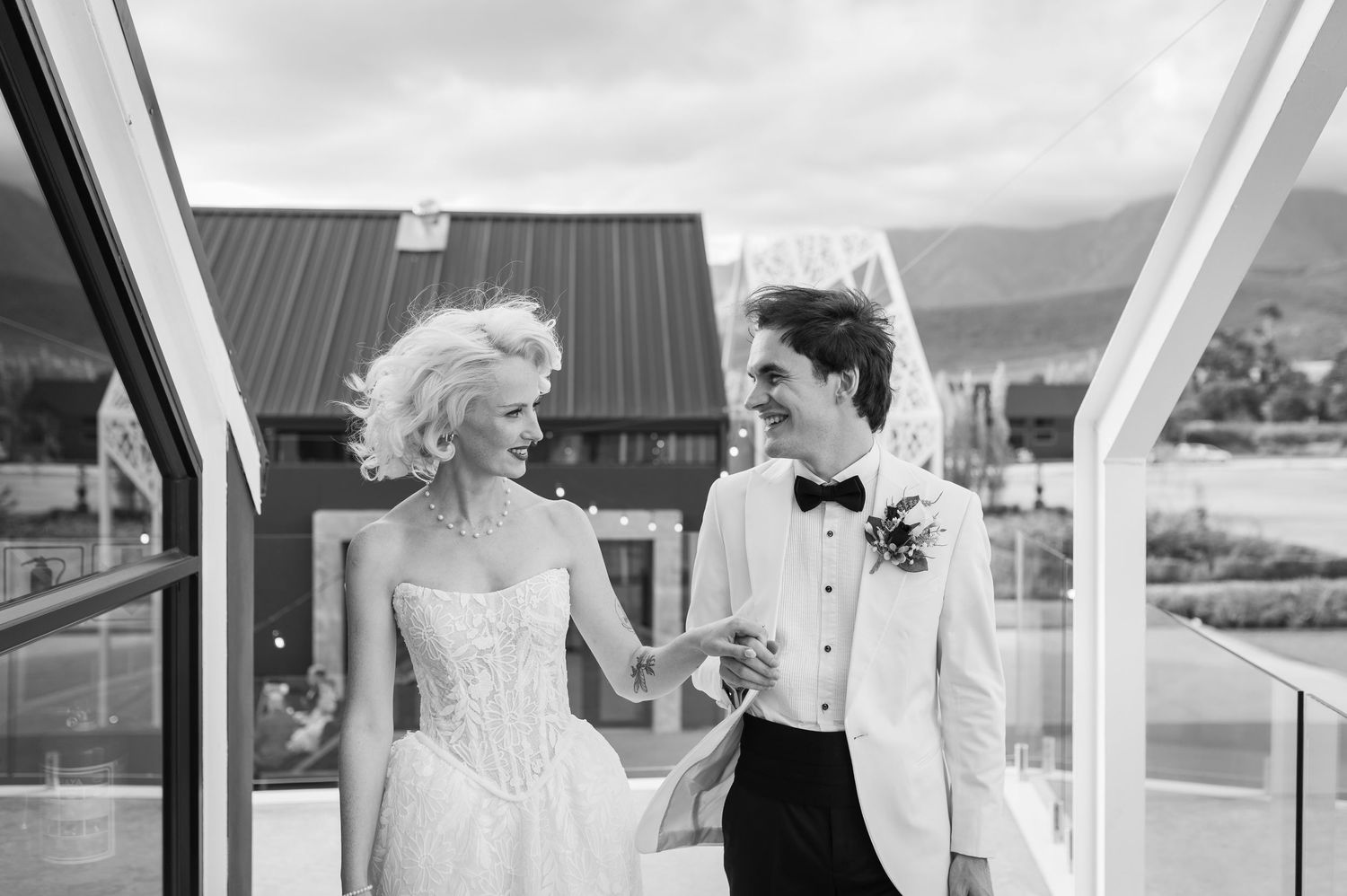
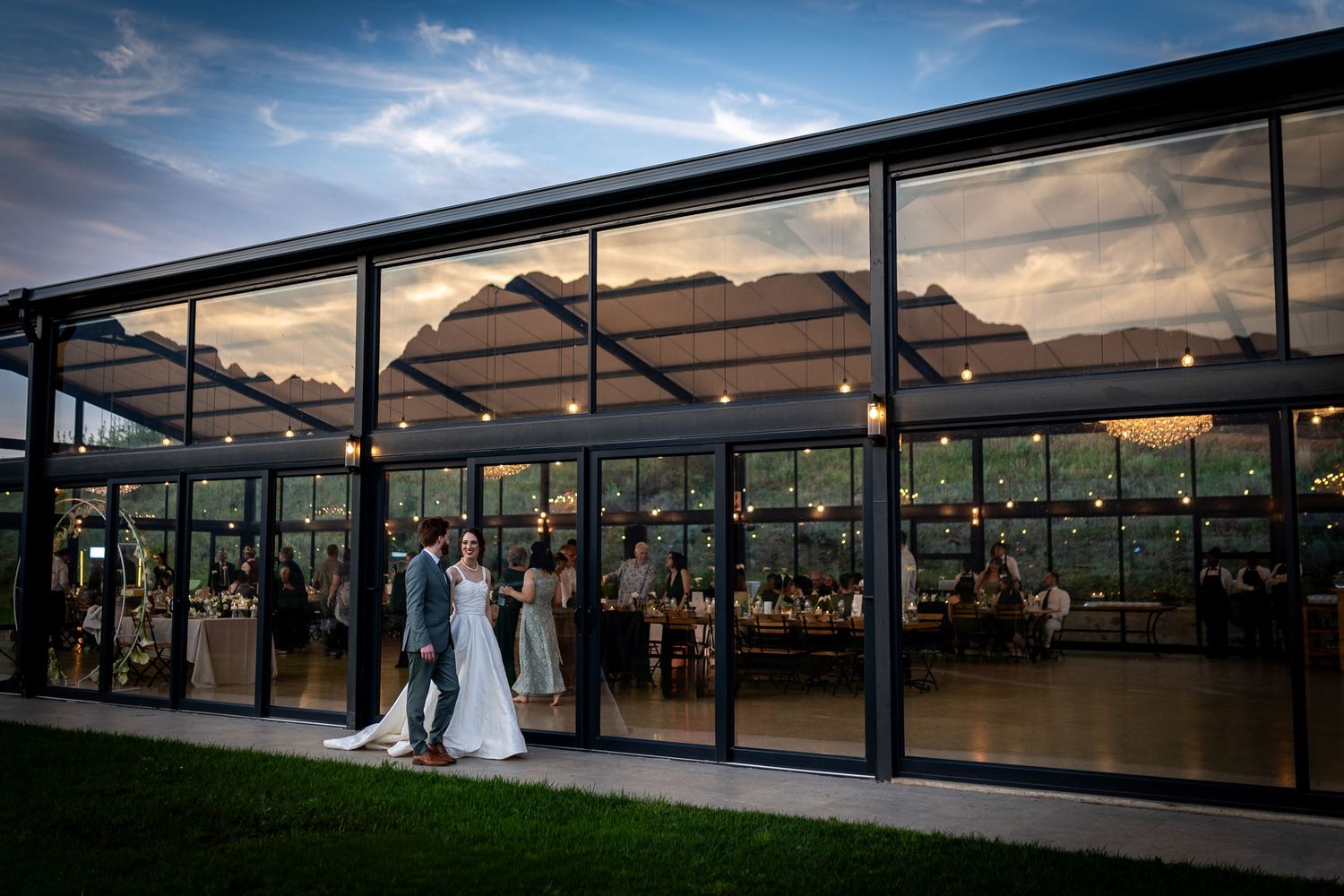
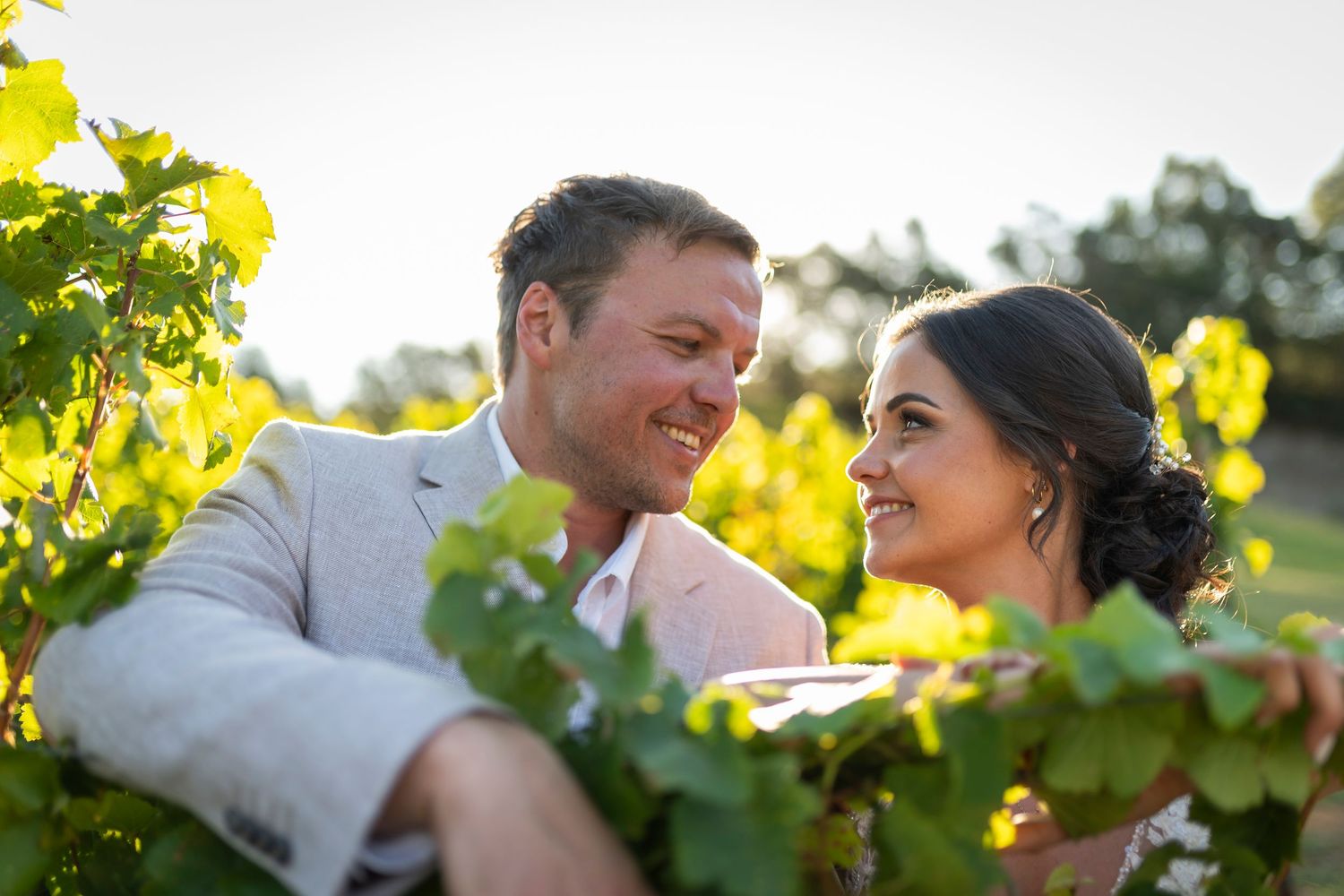
When couples say “candid”, they are usually describing a feeling
Most people are not trying to choose a photographic philosophy when they use the word.
They are trying to avoid an experience.
They do not want to spend their wedding being constantly stopped, positioned and asked to repeat moments that already happened.
They do not want someone telling them to laugh on command.
They do not want every photograph to feel like they were aware of the camera when it was taken.
And if they already feel awkward in photographs, the idea of being left in front of a camera while someone waits for them to magically become relaxed is not particularly comforting either.
What they want is ease.
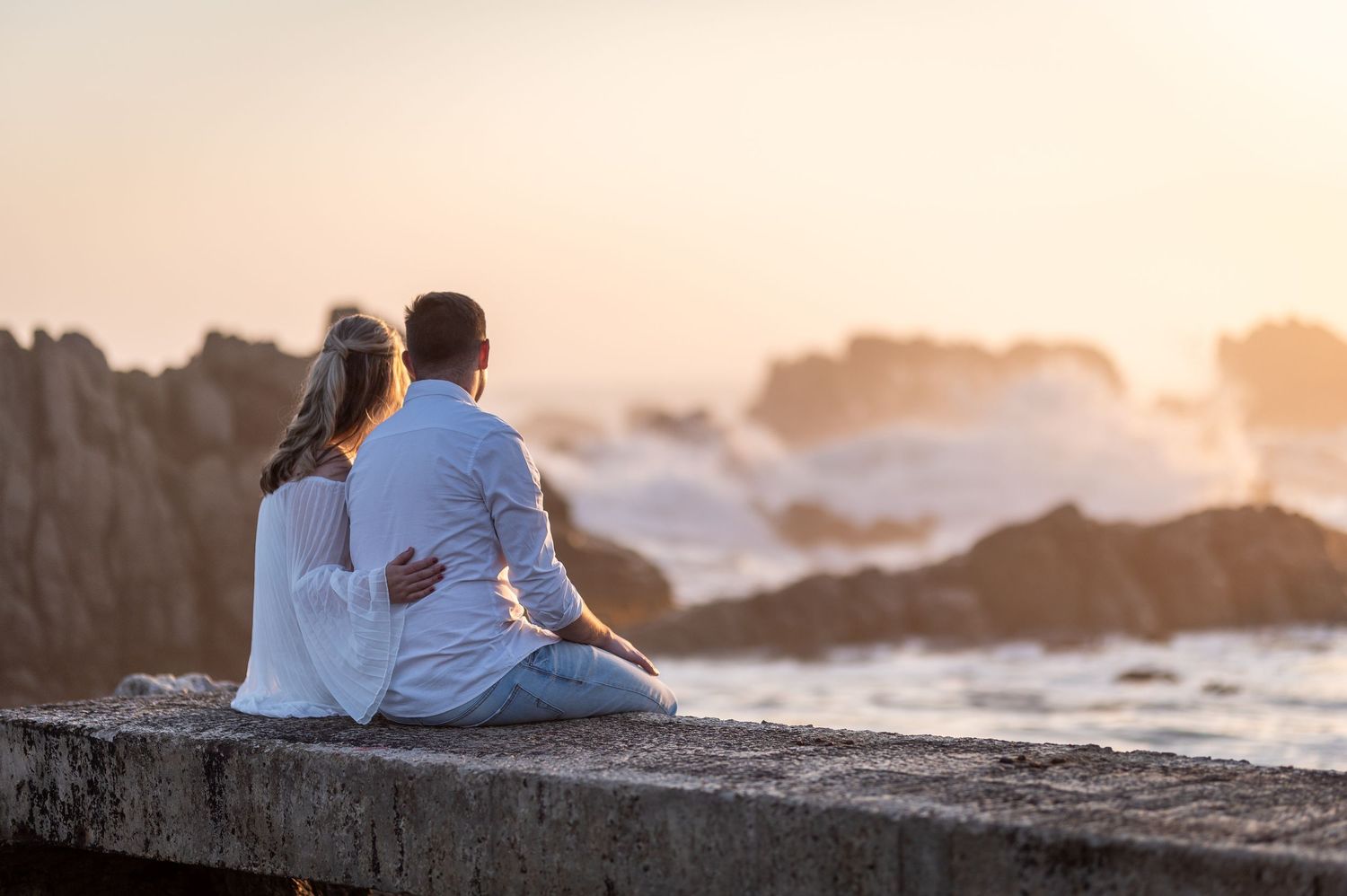
They want to feel present with each other.
They want enough guidance that they never have to wonder, “What are we supposed to be doing?”
But not so much direction that the wedding begins to feel like a production.
That distinction matters.
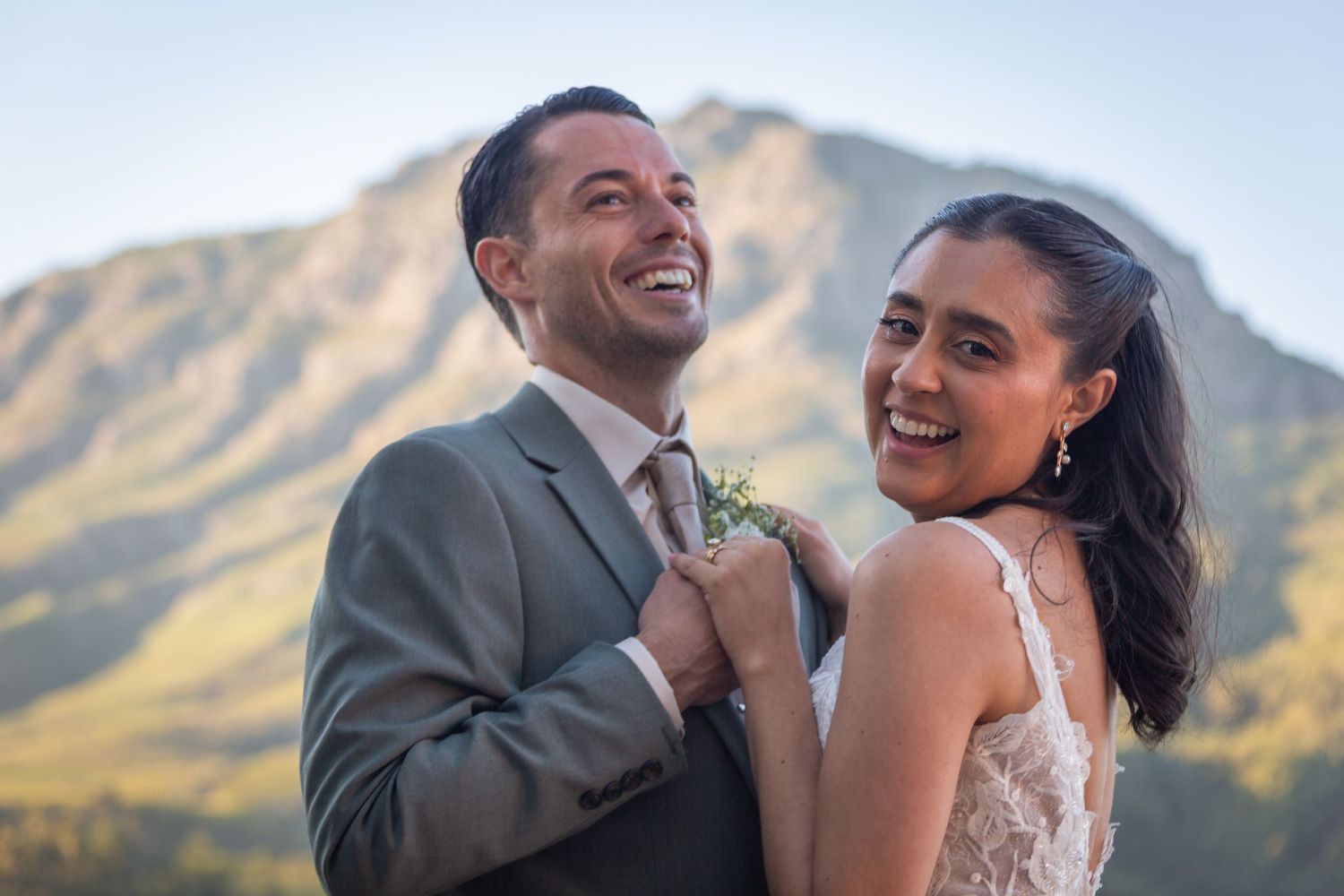
Natural does not necessarily mean completely untouched
There are parts of a wedding day when the best thing a photographer can do is absolutely nothing.
During a speech, for example, I am not interested in directing anyone’s reaction.
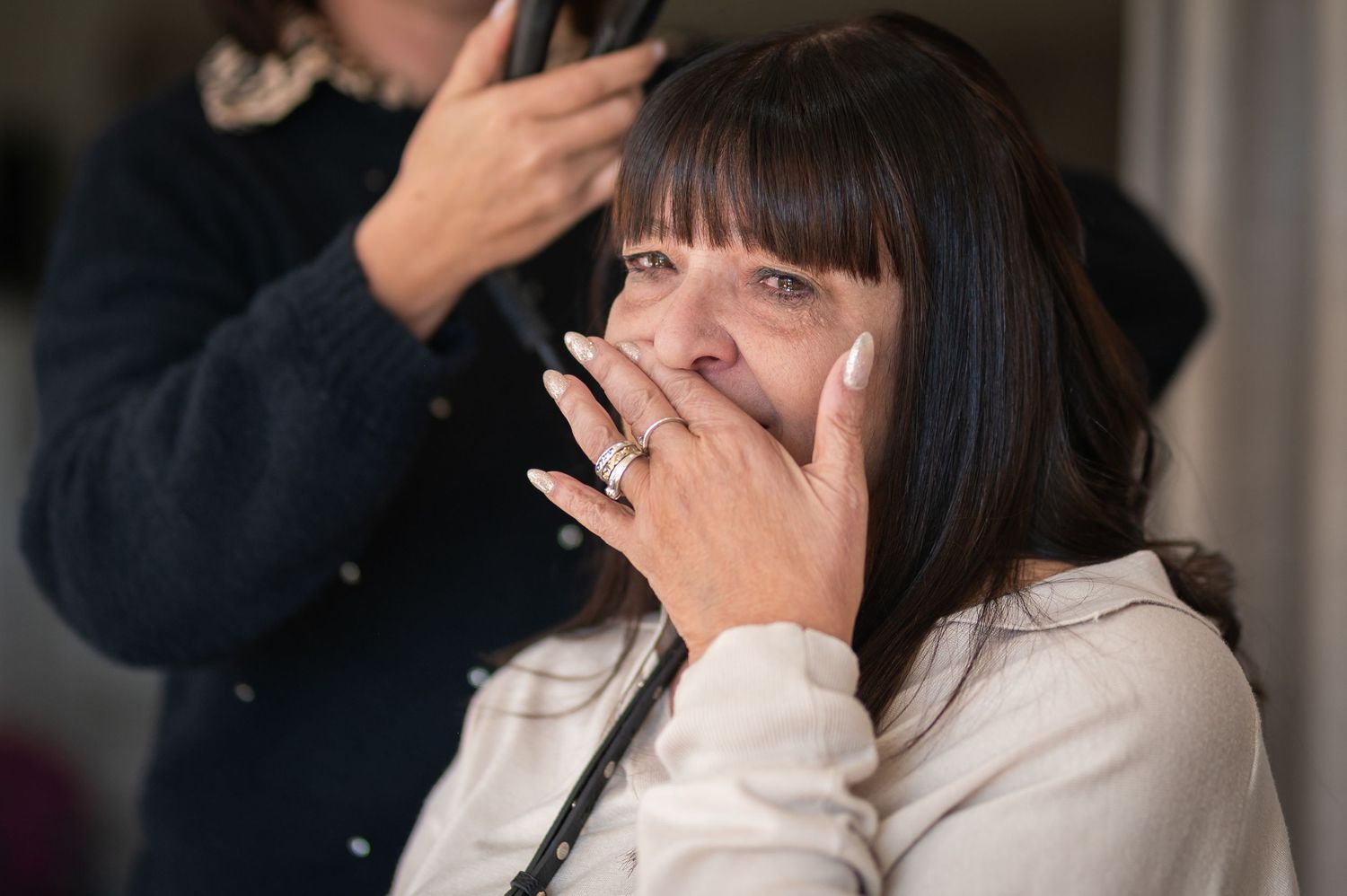
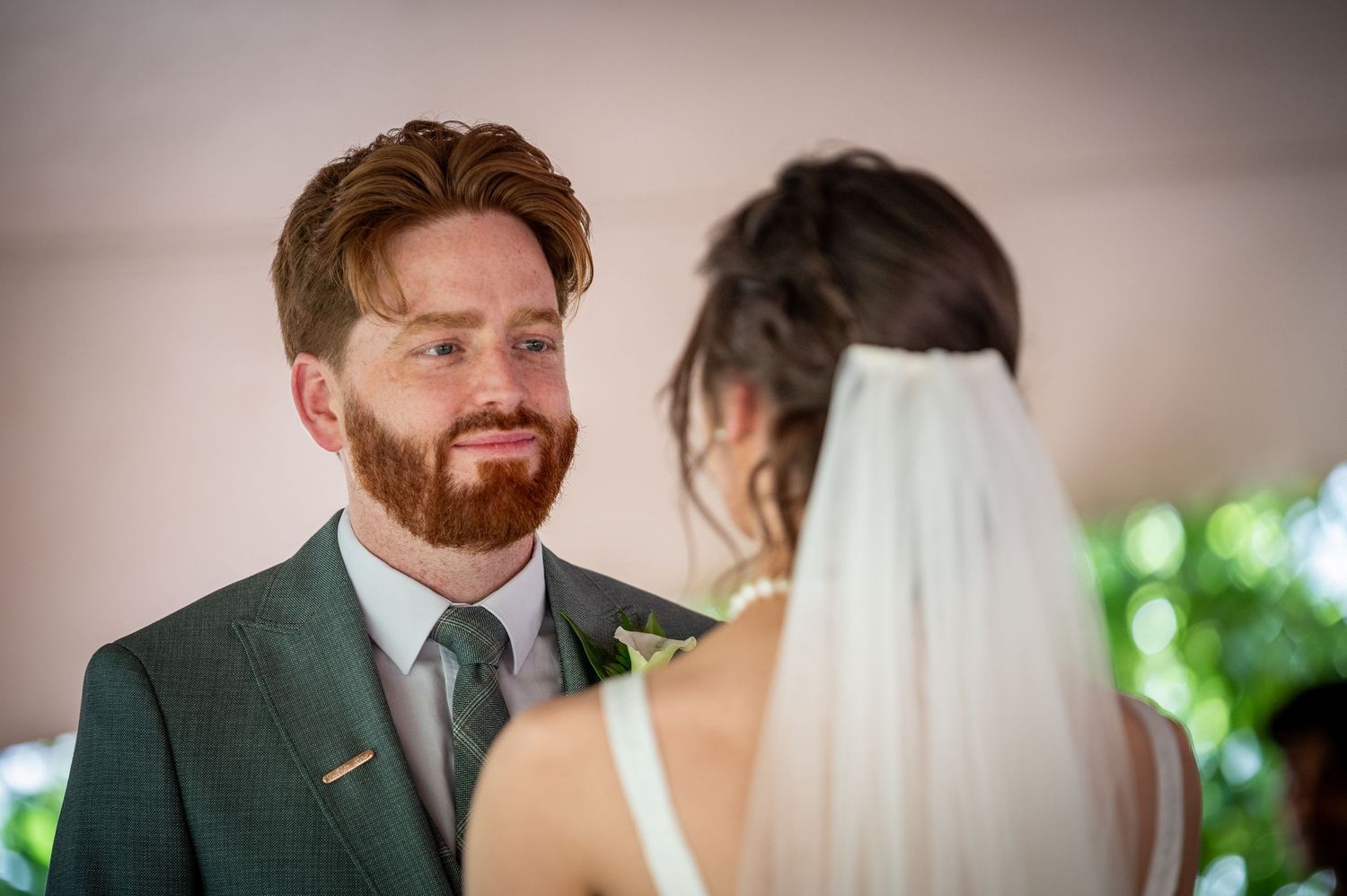
If your dad says something unexpectedly emotional and you glance across the table at your sister, that belongs to the moment. My job is to notice it quickly enough to photograph it.
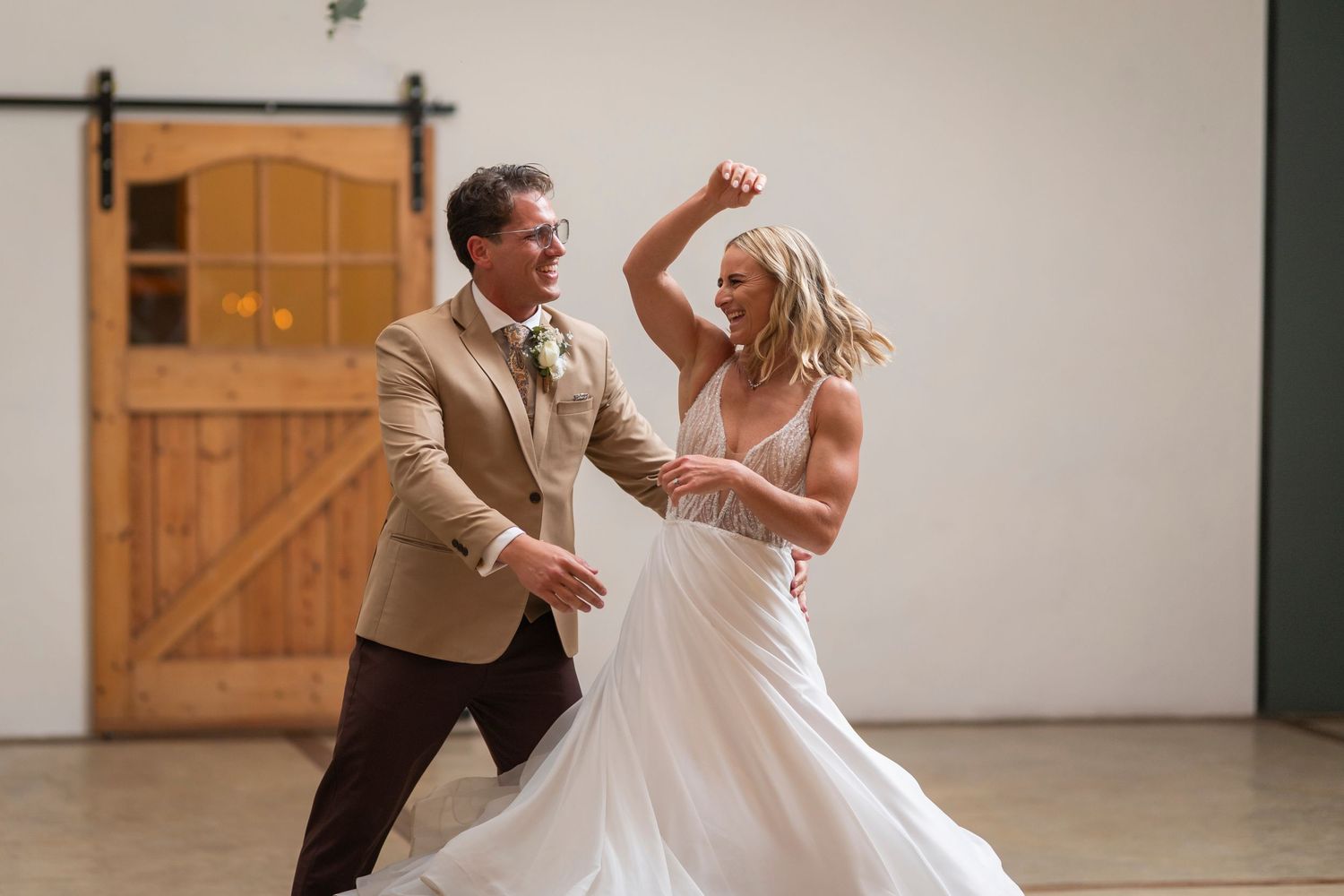
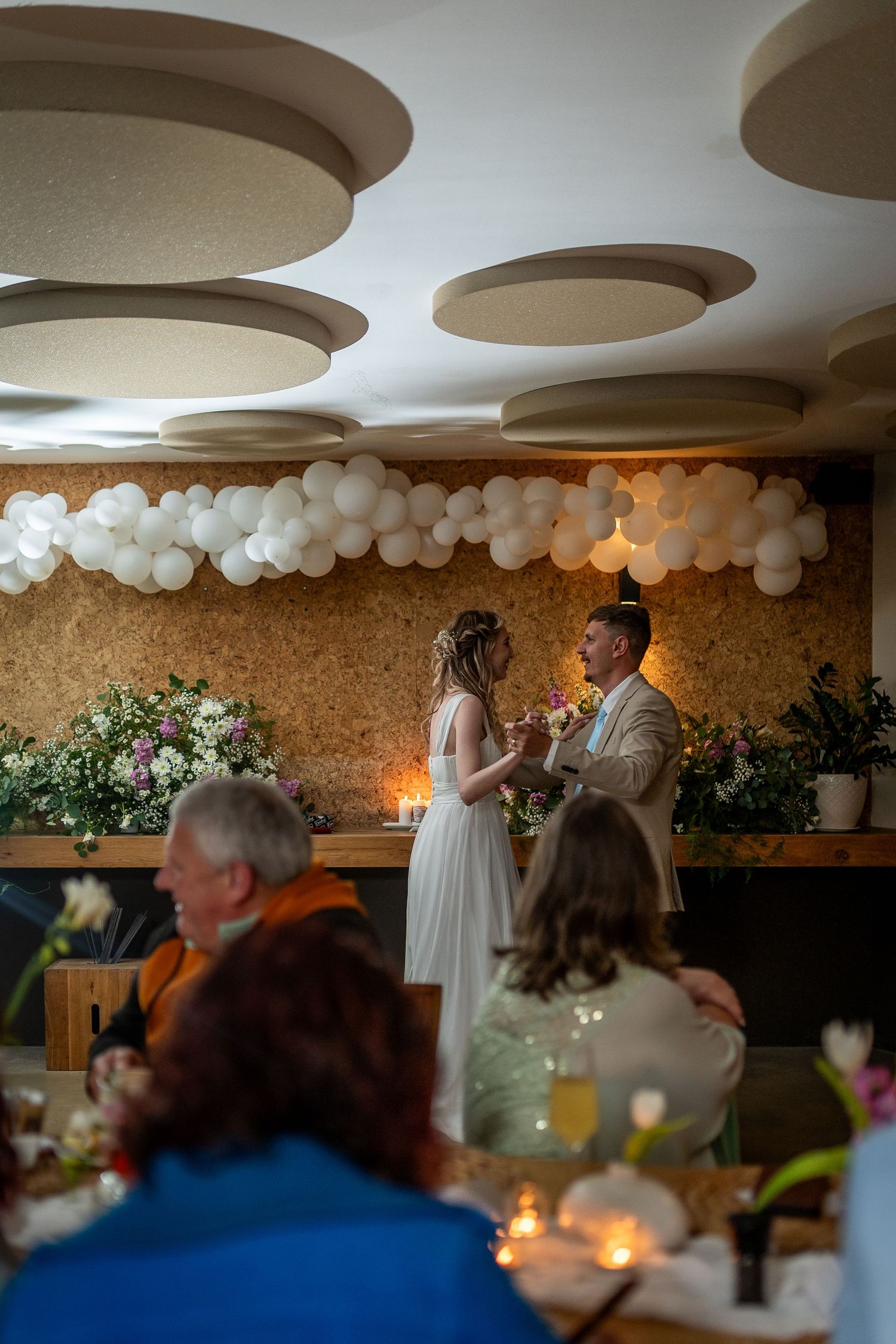
The same is true when your friends pull you onto the dance floor, when your mum sees you dressed for the first time or when someone quietly fixes your veil while you are getting ready.
Those moments do not need improving.
They need noticing.
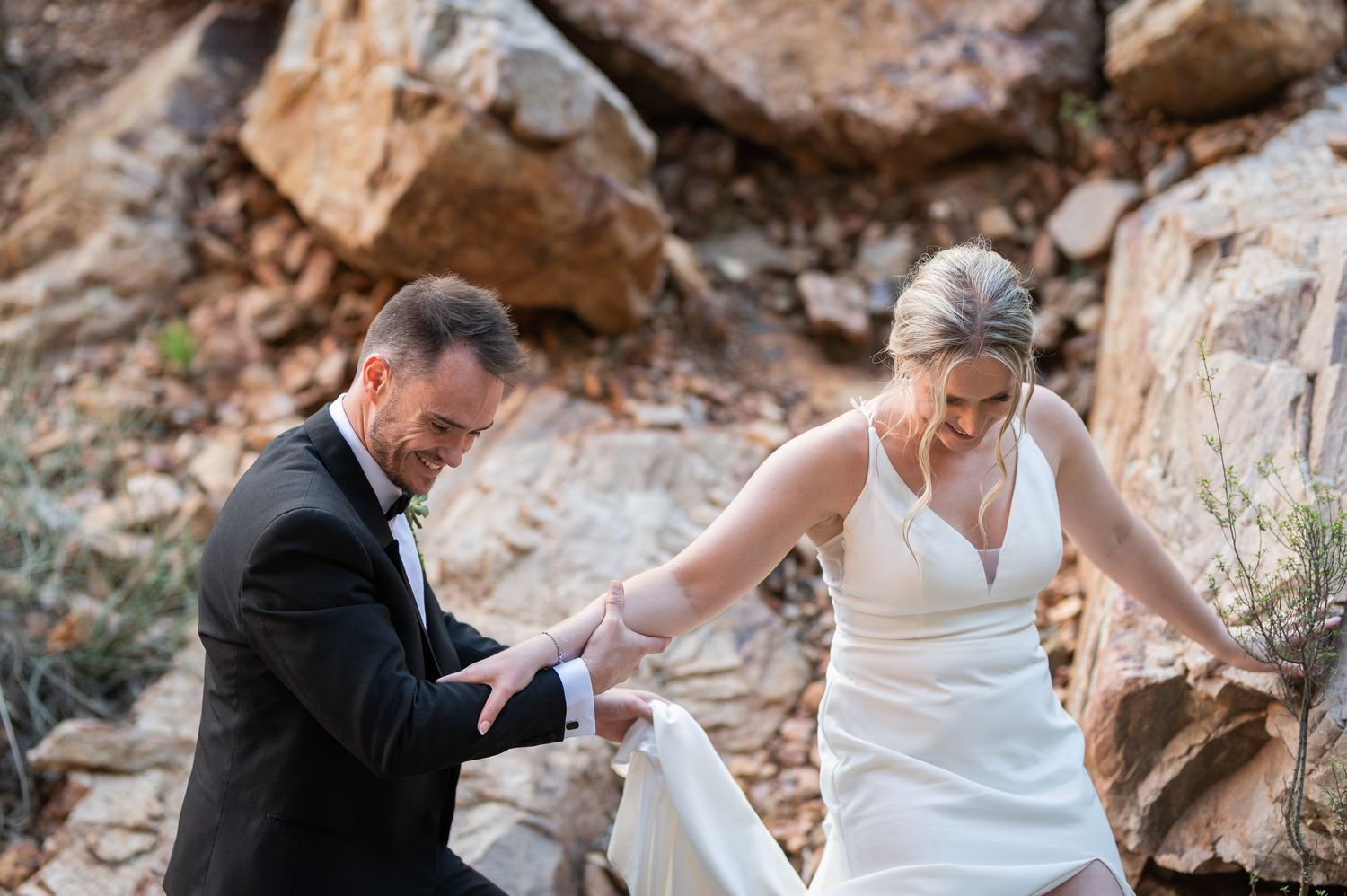
But there are other parts of the day where a small amount of direction can make the experience feel much easier.
Imagine we step outside for portraits and you are both suddenly very aware that a camera is pointing at you.
I could say nothing at all in the name of being “candid”.
Or I could give you somewhere to start.
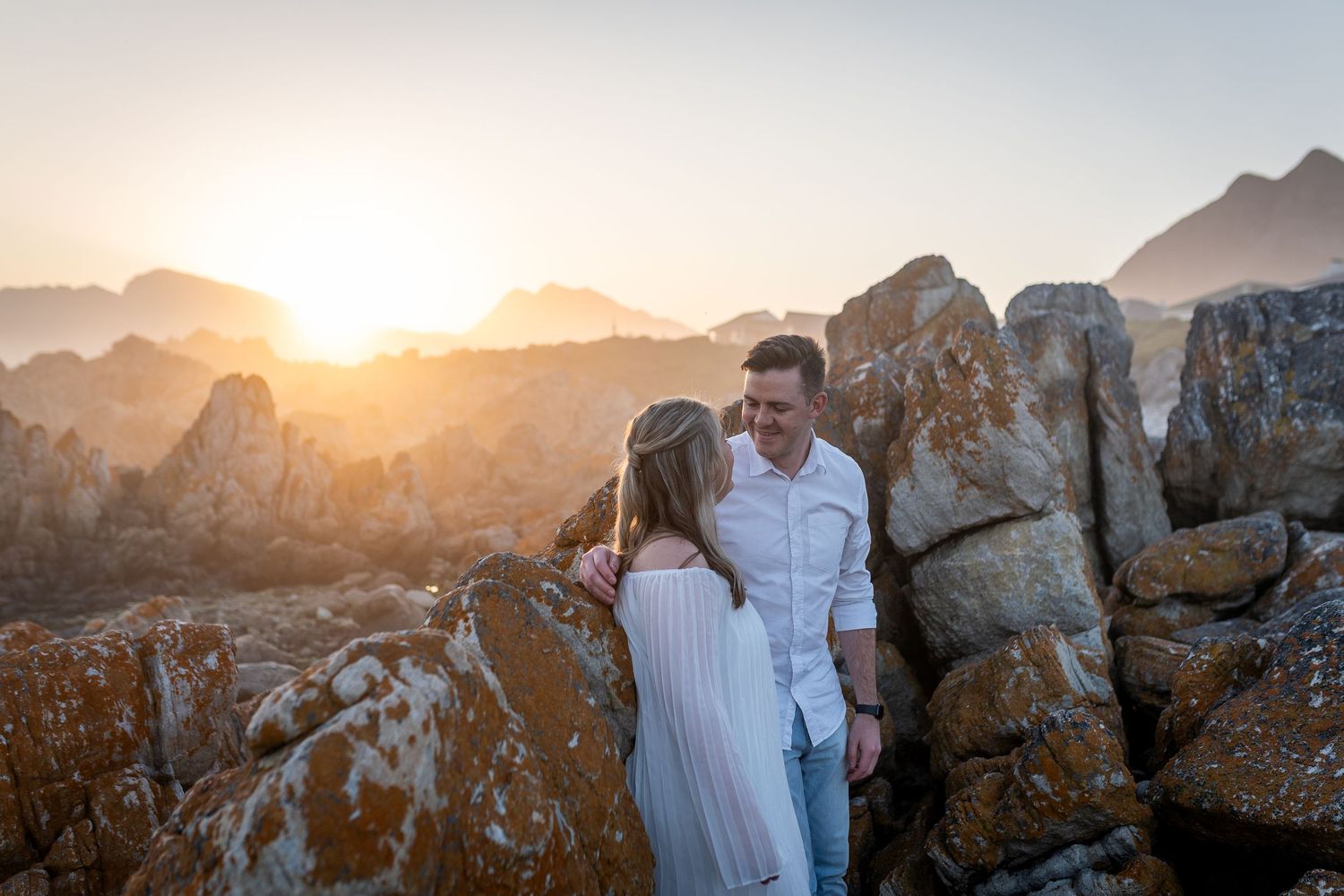
Walk together.
Stand a little closer.
Turn towards the better light.
Forget about me for a second and talk to each other. (one of my favorites)
None of that requires me to manufacture an emotion that was not there.
It simply removes the uncertainty.
And quite often, once people stop wondering what they are supposed to do, the real interaction begins.
Not every photograph that feels natural is made in the same way
Wedding photography moves through several different ways of working, sometimes within minutes of each other.
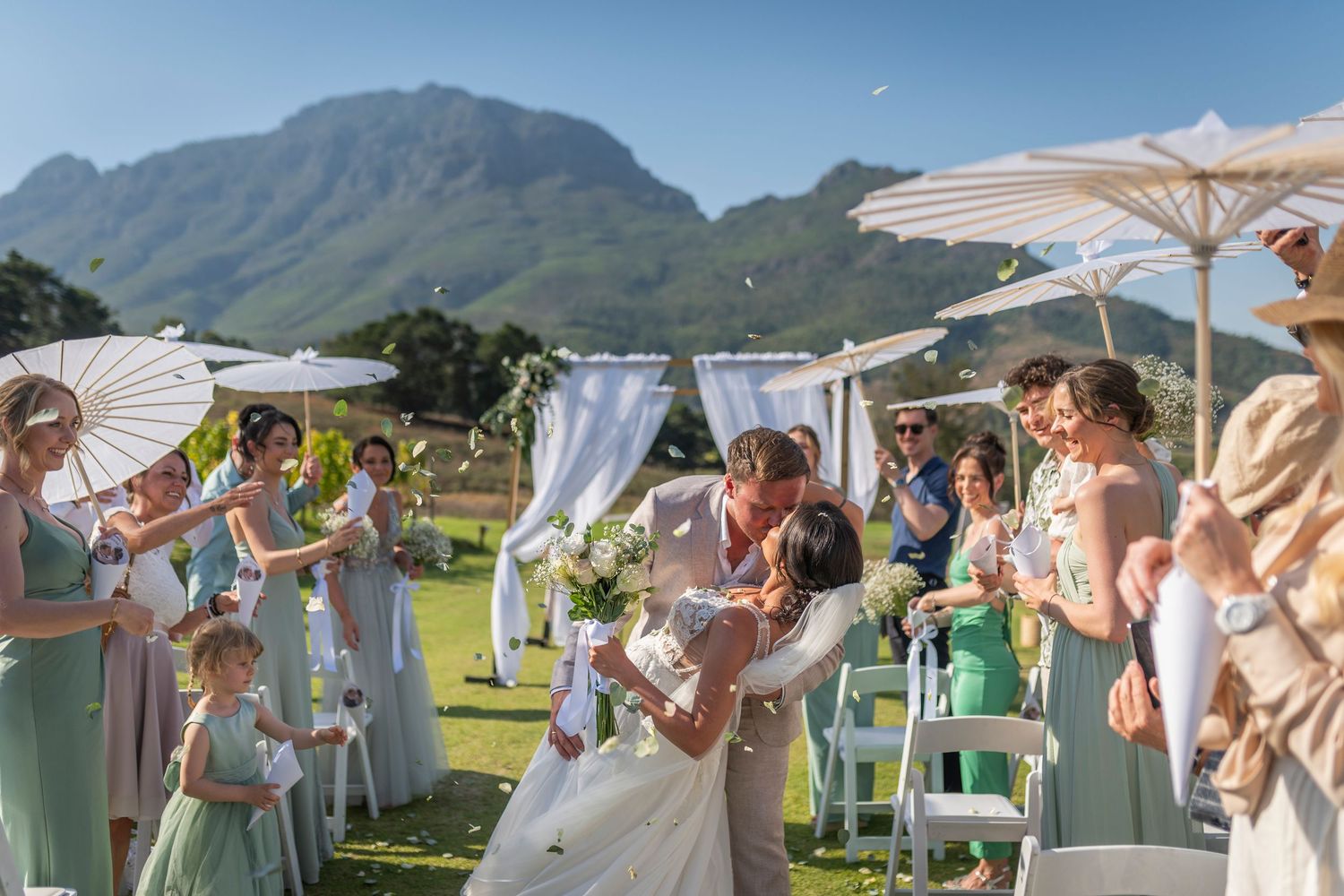
There is documentary observation, where the photographer responds to something that is already happening. Cocktail hour, speeches and the dance floor are full of these moments. Nothing needs to be initiated. The skill is anticipation.
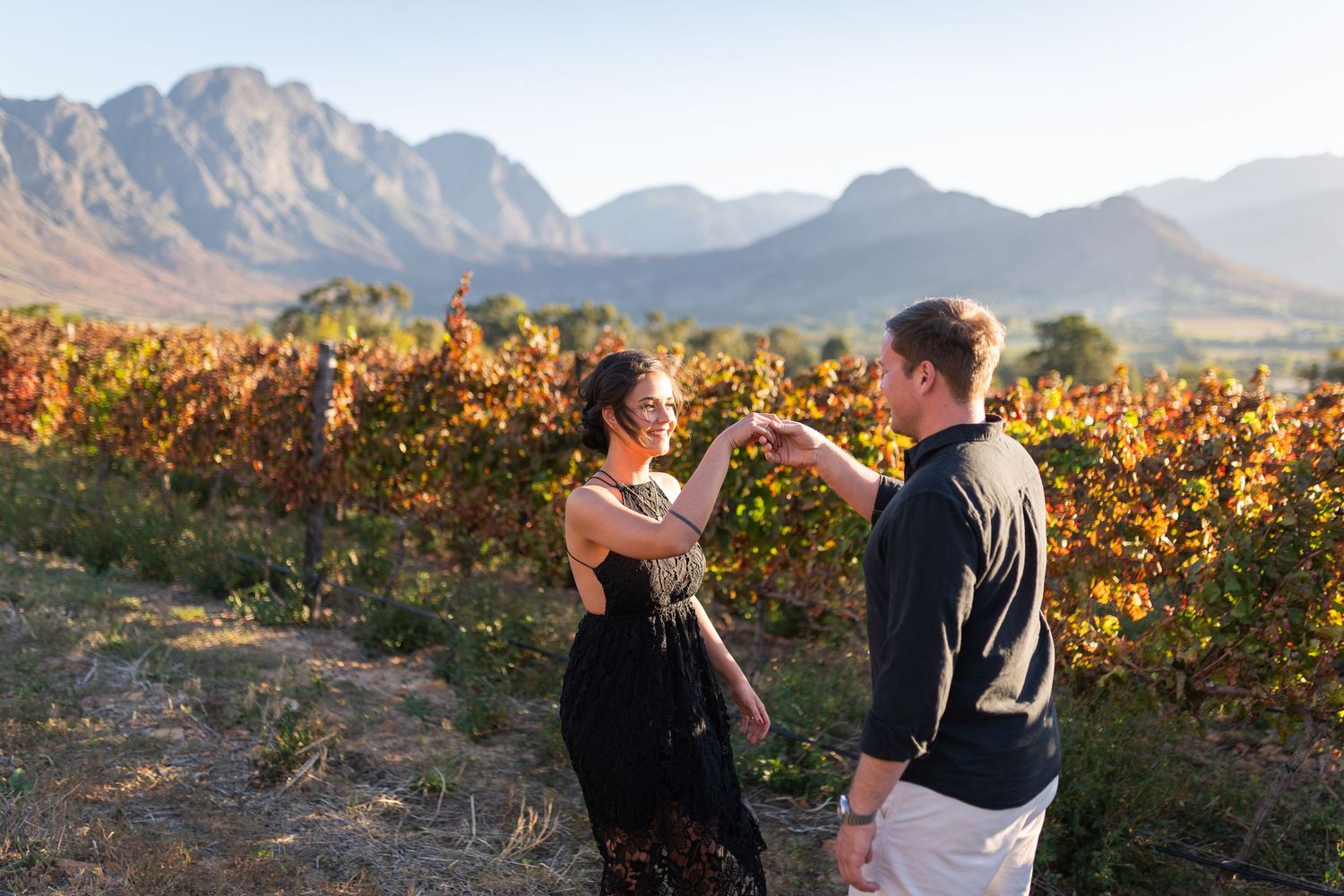
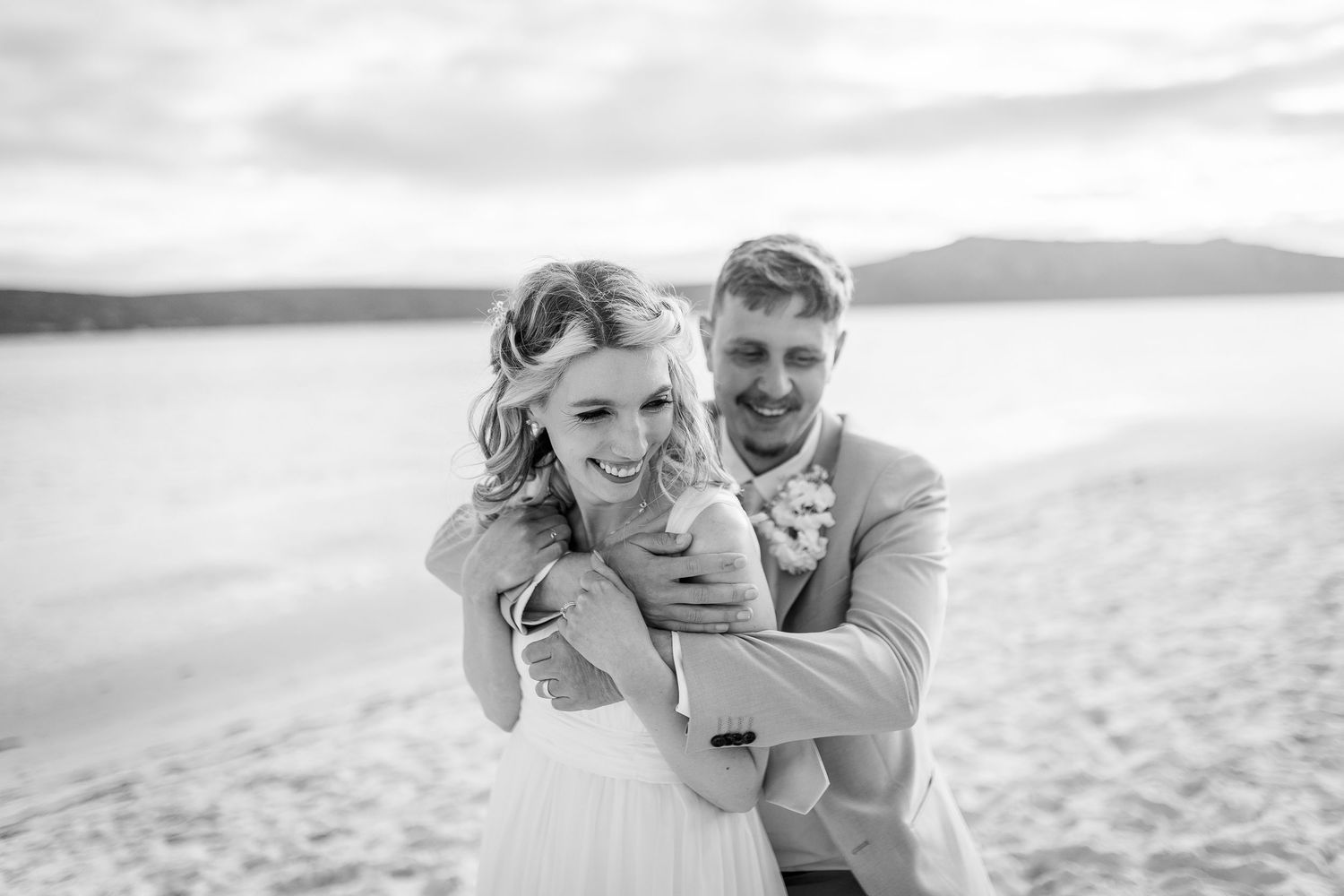
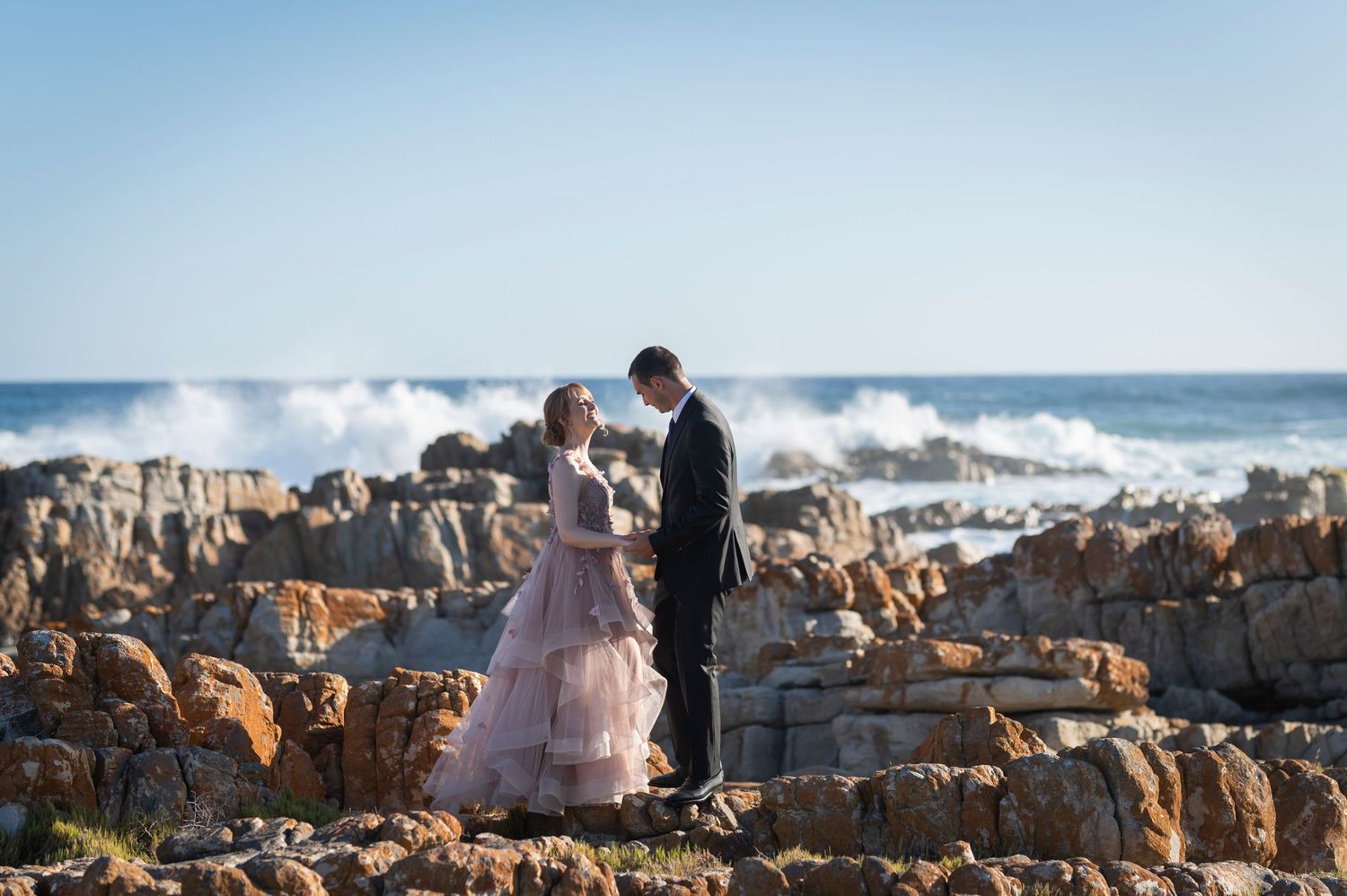
There is natural interaction, where a real exchange between two people becomes the photograph. It might happen completely on its own, or the photographer might simply give the couple enough space for it to develop.
Then there is subtle direction.
This might mean moving someone half a step into better light, suggesting that a couple walk instead of standing still or giving them a simple action so they do not feel stranded in front of the camera.
The point is not to choreograph the photograph.
The point is to make the situation easier.
Traditional posing is different again. Sometimes there is a very practical reason for it. Family photographs are the obvious example. If twenty people need to be in one photograph, leaving everyone to arrange themselves organically is not more authentic. It is simply more chaotic.
Clear direction can actually make that part of the day quicker and calmer.
And then there is manufactured or highly staged photography, where the image itself becomes the main event. Every hand, expression, movement and detail may be deliberately constructed for the photograph. This is usually called Editorial Wedding Photography
There is nothing inherently wrong with that approach. Some couples love it.
But it creates a very different experience.
The useful question is not, “Which one of these is proper candid photography?”
It is, “Which combination feels right for us?”
The photographer’s role is often more invisible than it looks
One of the strange things about experienced wedding photography is that some of the work becomes less obvious.
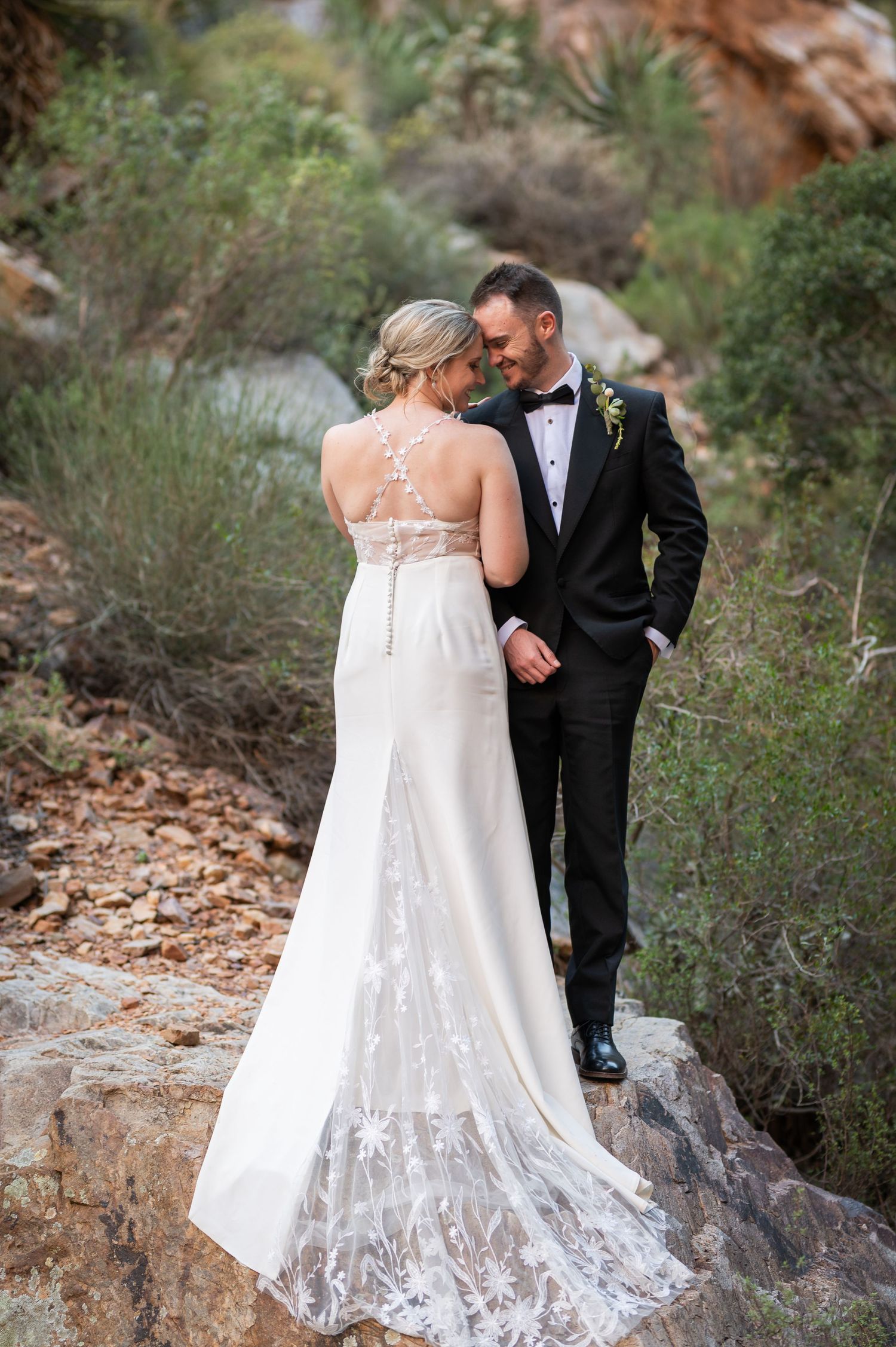
A photographer may notice that the room where you are getting ready has beautiful window light and quietly suggest that you put your dress on there rather than in a darker corner.
They might move a distracting bag before a photograph.
They might ask you to pause for a moment before walking into harsh light.
They might position your family photographs somewhere everyone can stand comfortably and then move through the groups efficiently so your guests can get back to the celebration.
None of those things turns a wedding into a photoshoot.
Done well, they protect the experience.
The photographer is solving small problems before they become something you have to think about.
That is one of the reasons I do not think “no direction” should automatically be seen as the most natural approach.
Sometimes a lack of guidance creates more self consciousness, not less.
If you are already nervous about photographs, being given no help at all can leave you wondering where to stand, where to look and what to do with yourself.
Gentle direction can take that pressure away.
Creating a moment is different from creating space for one
This is probably the distinction I care about most.
There is a difference between telling two people exactly how to behave for a photograph and creating the conditions in which something real can happen.
If I tell you exactly where to put your hands, where to look, when to smile and how to react, I am building the moment.
Sometimes that is useful.
But it is not how I want an entire wedding to feel.
More often, good direction is much lighter.
It gives you a starting point and then leaves room for you to respond in your own way.
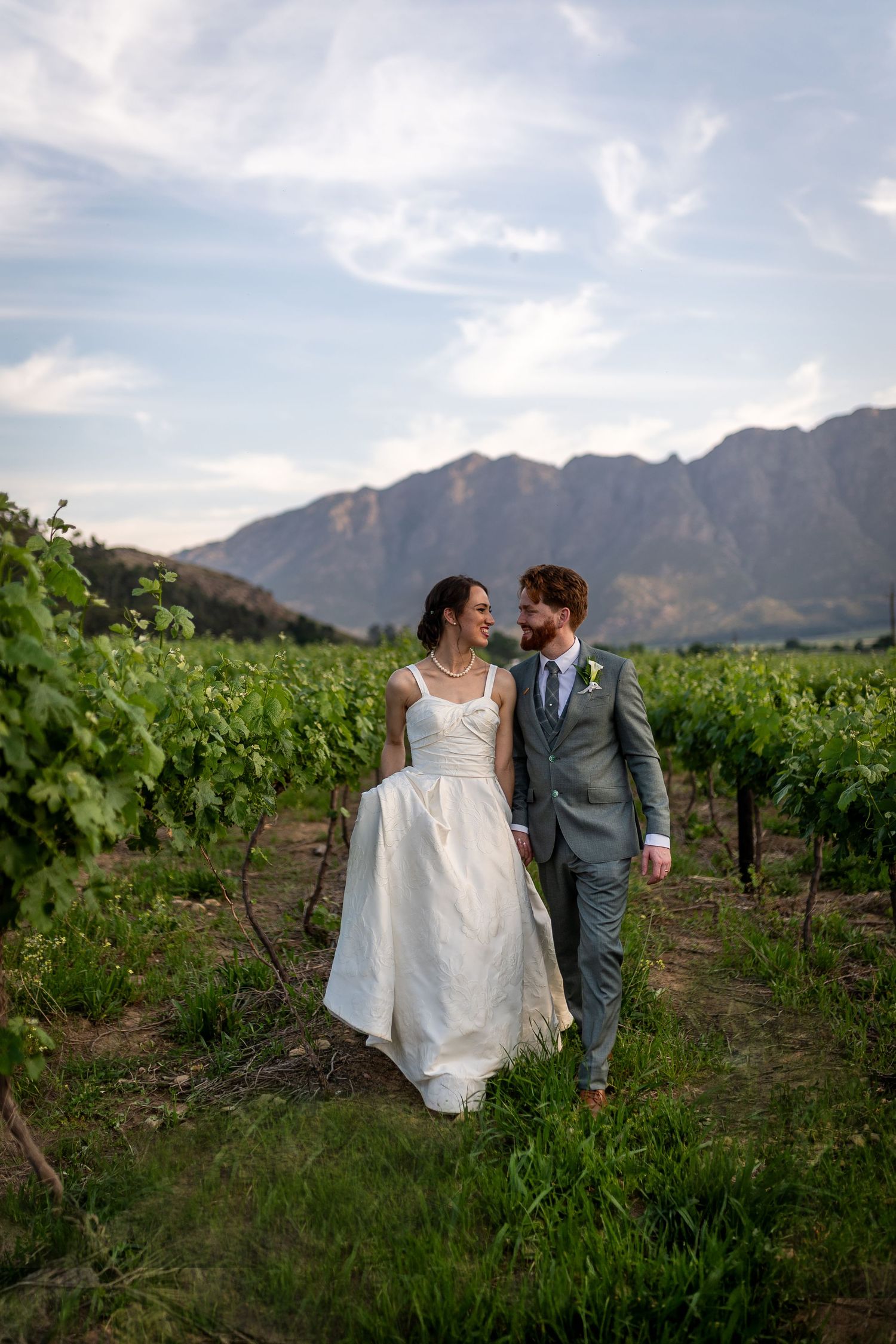
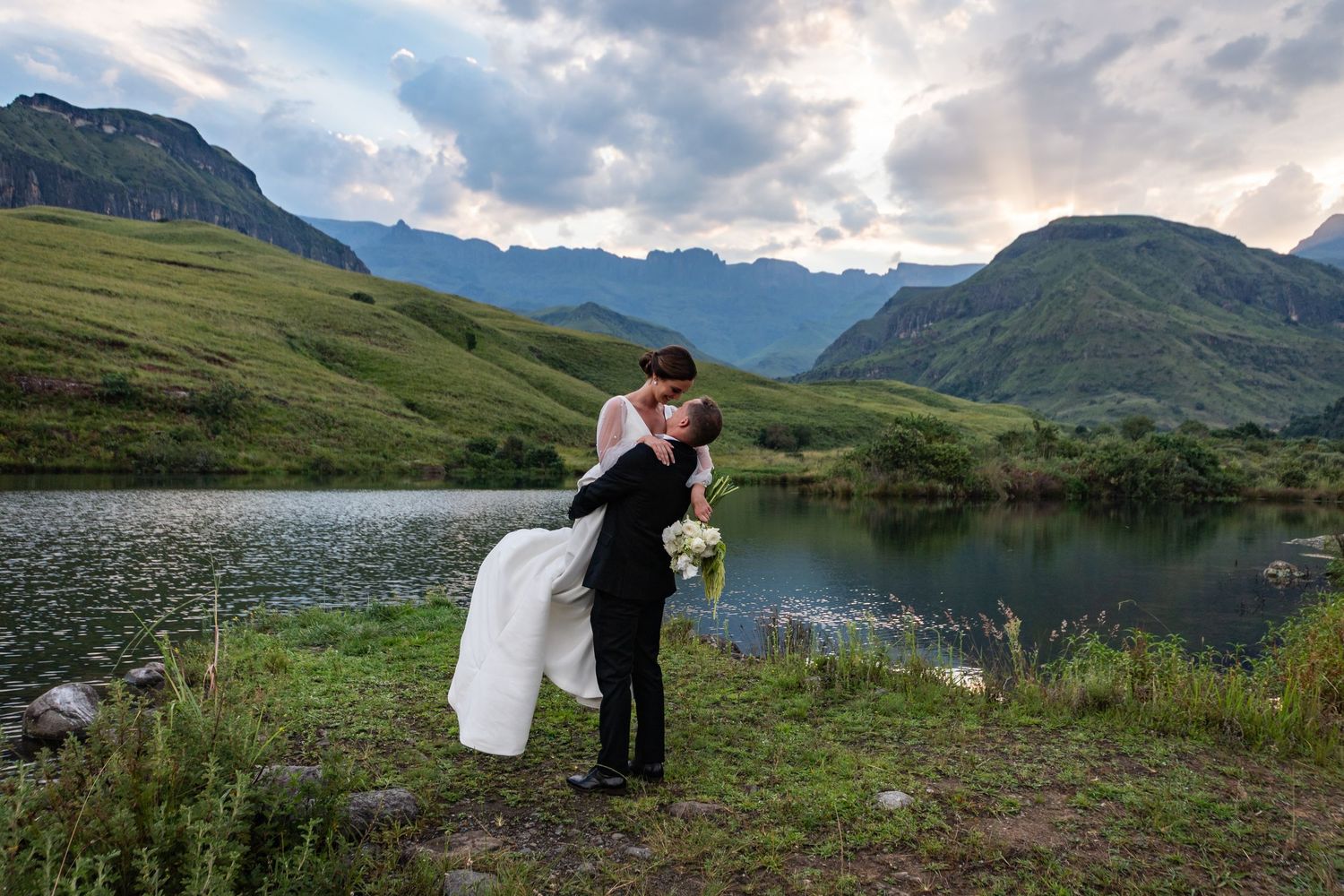
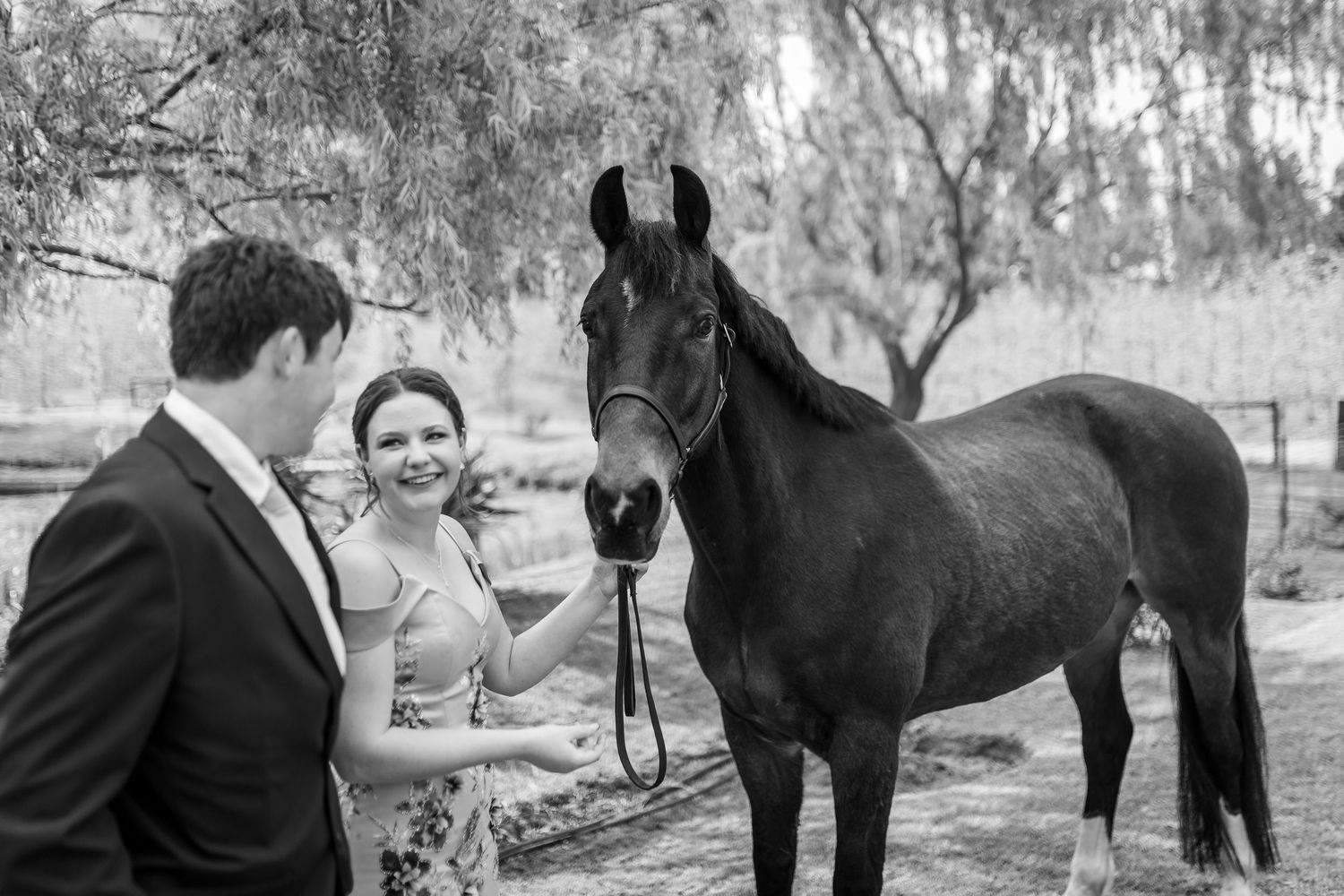
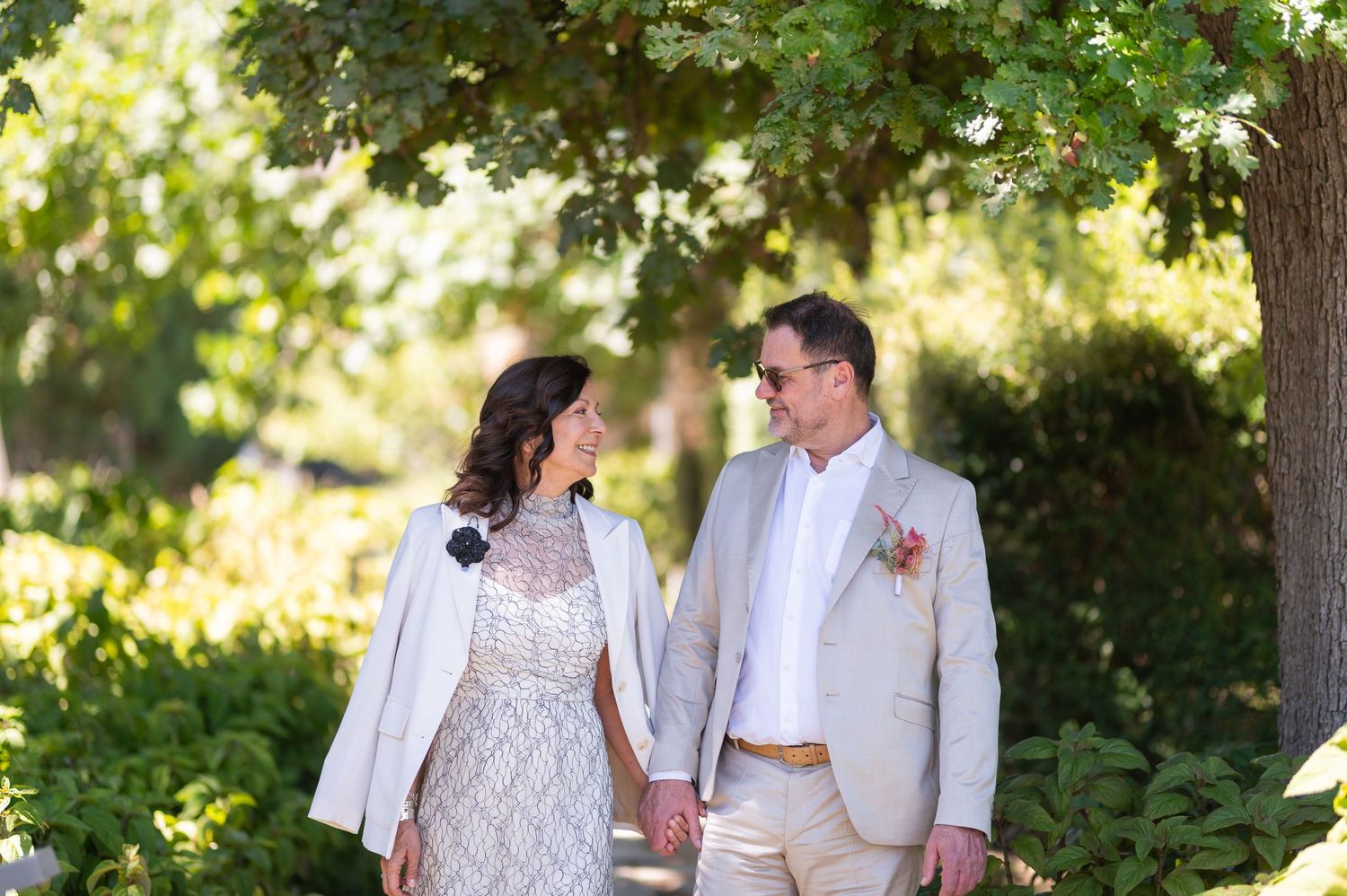
Maybe I ask you to walk together for a few minutes rather than stand perfectly still.
You start talking.
One of you says something ridiculous.
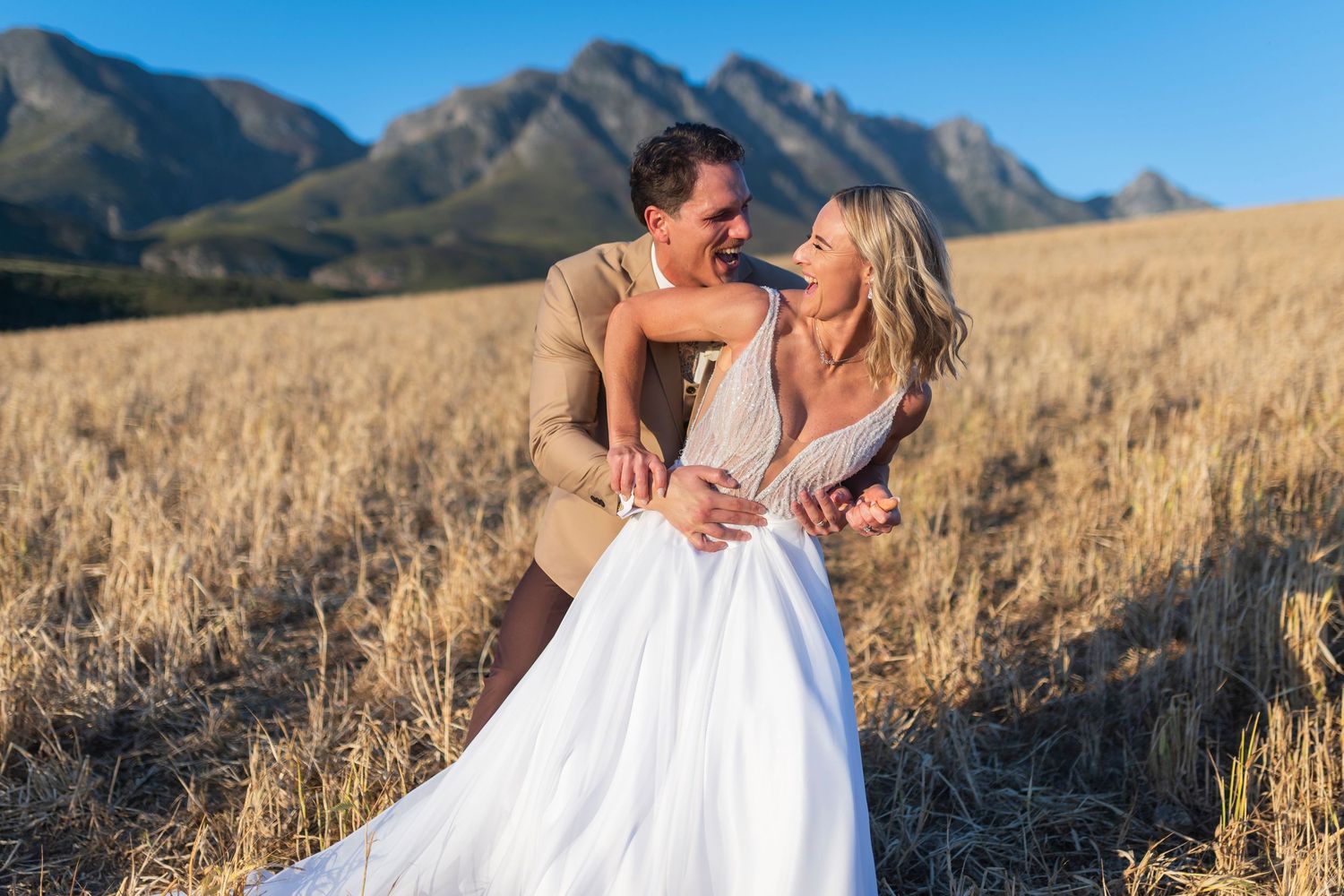
The other laughs.
The photograph I make at that point was not scripted.
I did not create the laugh.
I simply created enough ease for something genuine to happen.
That, to me, is much closer to what couples are asking for when they say they want candid photographs.
You do not need to choose between beautiful photographs and being yourselves
I think this is what sits underneath the whole conversation.
Couples sometimes feel as though there are only two choices.
Either the photographer directs everything and the photographs look beautiful but staged.
Or the photographer directs nothing and everything is completely “real”.
Wedding photography is more nuanced than that.
Some moments deserve to be left completely alone.
Some need anticipation.
Some need organisation.
Some become easier with one small suggestion.
And sometimes the most valuable thing a photographer can do is step away and let the two of you forget they are there.
The skill is knowing the difference.
So if you keep telling photographers that you want candid photographs, you are not using the wrong word.
You are probably trying to describe something that is simply bigger than one word.
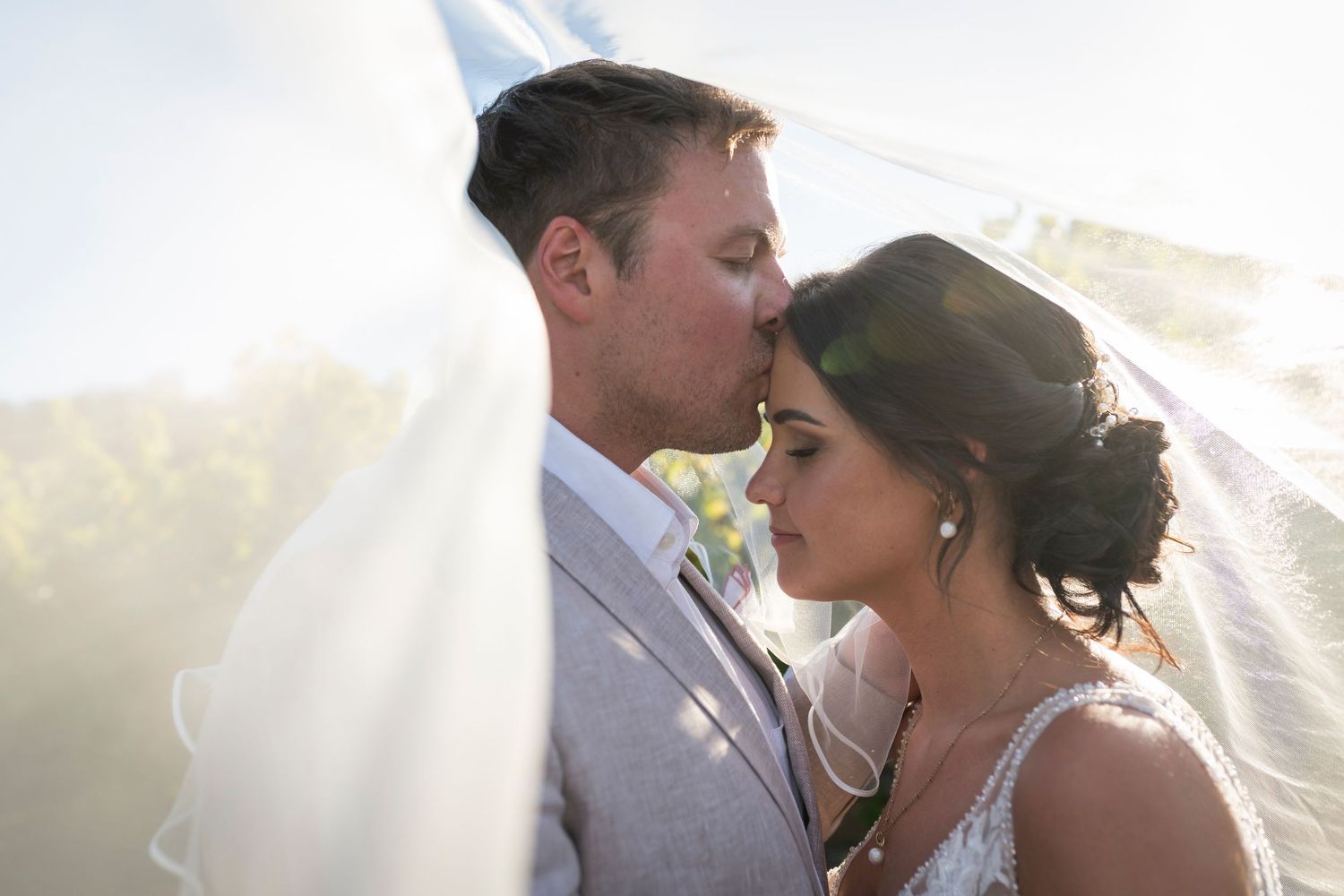
You want photographs that feel relaxed.
You want real reactions.
You want to recognise yourselves in them.
You want enough help that you never feel abandoned in front of the camera, but enough freedom that your wedding still feels like your wedding.
You do not need a photographer who promises never to direct you.
You need one who knows when not to.